
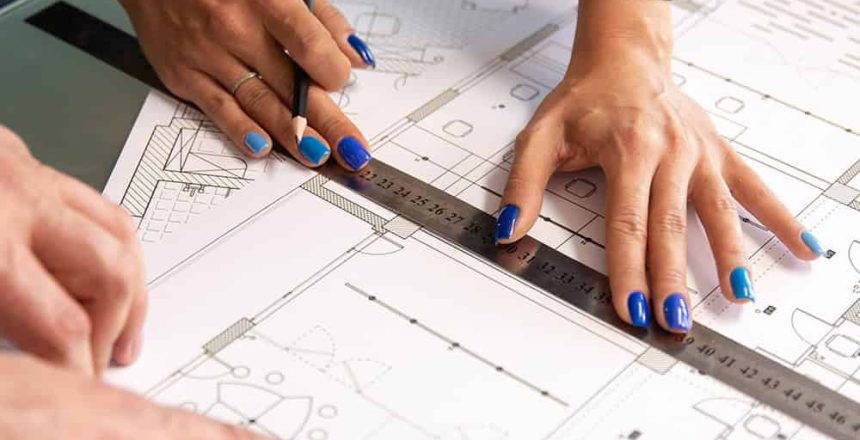
Fire Risk Assessments (FRAs) are a cornerstone of fire safety in the UK, helping to prevent fires, protect lives, and ensure legal compliance. Whether you run a small shop, manage an office block, or own a block of flats, understanding and conducting proper fire risk assessments is not just good practice: it’s a legal obligation for most non-domestic premises.
Under the Regulatory Reform (Fire Safety) Order 2005 (the main fire safety law in England and Wales, with equivalent provisions in Scotland and Northern Ireland), every “Responsible Person” must carry out and regularly review a suitable and sufficient fire risk assessment. This duty applies to virtually all workplaces, shops, offices, factories, hotels, care homes, and the common parts of multi-occupied residential buildings.
Who is the Responsible Person?
The Responsible Person is typically:
- The employer (in workplaces).
- The owner, landlord, or managing agent (for premises or common areas).
- Anyone with control over the building or certain parts of it.
If you’re unsure, the law places the duty on whoever has the greatest degree of control.
Who Can Carry Out a Fire Risk Assessment?
The assessment must be suitable and sufficient, meaning thorough, appropriate to the premises, and capable of identifying real risks. The Responsible Person can do it themselves if competent, but many appoint a competent person (such as a qualified fire risk assessor) when they lack the expertise, time, or experience.
A competent person should have:
- Relevant training and qualifications (often aligned with frameworks like the Fire Sector Federation’s competency criteria).
- Practical experience in similar premises.
- Knowledge of current fire safety legislation and guidance.
For low-risk, simple premises, the Responsible Person might handle it using government guides.
For complex or higher-risk buildings (e.g., high-rise, healthcare, or those with vulnerable occupants), professional help is strongly recommended, and often essential, to avoid enforcement action.
The 5 Key Steps of a Fire Risk Assessment
The UK government provides a widely used 5-step checklist to guide the process:
- Identify the fire hazards Look for sources of ignition (e.g., electrical equipment, smoking, naked flames), fuels (paper, fabrics, flammable liquids), and oxygen sources. Consider housekeeping, contractors, arson risks, and heating/cooking equipment.
- Identify people at risk Consider who might be harmed: employees, visitors, contractors, young people, disabled individuals, lone workers, or residents in residential buildings. Note anyone especially vulnerable (e.g., mobility issues, sleep risks in care settings).
- Evaluate, remove or reduce the risks Assess existing controls (e.g., fire doors, alarms, extinguishers) and decide if they’re adequate. Eliminate hazards where possible (e.g., remove unnecessary combustibles), reduce risks (e.g., safe storage, no-smoking policies), and add protections (e.g., improved escape routes, sprinklers if needed).
- Record your significant findings, prepare an emergency plan, and provide training For most premises, you must keep a written record. Include hazards, people at risk, controls, and an action plan with priorities and responsibilities. Develop a clear emergency plan (including evacuation procedures) and ensure staff receive appropriate fire safety information, instruction, and training (e.g., fire marshal duties, drills).
- Review and update the assessment regularly Review “regularly” to keep it up to date, typically at least annually as best practice. You must review immediately if:
- There’s reason to suspect it’s no longer valid.
- Significant changes occur (e.g., building alterations, new equipment, change of use, or after a near-miss/fire).
Additional recent requirements (e.g., from the Fire Safety (England) Regulations 2022 and Building Safety Act 2022) emphasise recording the identity of anyone involved in the assessment, maintaining the “golden thread” of fire safety information (especially in higher-risk buildings), and, for certain residential blocks, producing personal emergency evacuation plans (PEEPs) for vulnerable residents (phased in with 2026 regulations).
Why Fire Risk Assessments Matter
A thorough FRA:
- Prevents fires by spotting and controlling hazards early.
- Saves lives by ensuring safe escape routes and procedures.
- Protects your business from prosecution, fines can be unlimited, and serious breaches may lead to imprisonment.
- Supports insurance compliance and reduces claims.
- Builds a safety culture among staff and occupants.
Recent updates (including amendments to Approved Document B and new 2026 regulations) continue to strengthen requirements, especially around evacuation planning, fire doors, and high-risk residential buildings.
Common Mistakes to Avoid
- Treating it as a “tick-box” exercise without site inspection.
- Failing to involve competent people for complex premises.
- Not recording findings or action plans.
- Ignoring reviews after changes or incidents.
- Overlooking vulnerable people or specific risks (e.g., arson, electrical faults).
Get Expert Help with LS Fire Solutions
At LS Fire Solutions, we specialise in conducting professional, compliant fire risk assessments tailored to your premises, whether low-risk offices or higher-risk commercial or residential buildings. Our qualified assessors ensure your FRA is suitable, sufficient, and up to date, helping you meet all legal duties with confidence.
Don’t wait for an incident or enforcement visit, contact us today for a no-obligation discussion or to book your fire risk assessment. Proper preparation today means peace of mind and real protection tomorrow. Stay safe, stay compliant.